

Read the full article on KETV 7
IS IOWA’S NEWS LEADER. KCCI EIGHT NEWS AT SIX STARTS RIGHT NOW. HEART DISEASE IS A LEADING CAUSE OF DEATH IN THE UNITED STATES, AND CONGENITAL HEART DEFECTS ARE THE MOST COMMON BIRTH DEFECT. DOCTORS TOLD BILLY FINLEY’S PARENTS THAT HE WOULDN’T LIVE TO SEE HIS FIFTH BIRTHDAY. AND YET HERE HE IS NOW WORKING FOR IOWA STATE WOMEN’S BASKETBALL RIGHT NEXT TO HIS DAD. HEAD COACH BILL FINLEY, KCCI ALYX SACKS IS ONE WELL KNOWN IOWA STATE FAMILY’S JOURNEY BATTLING HEART DISEASE. RIGHT THERE ON THE COURT IN THE MIDDLE OF HILTON MAGIC STANDS A MEDICAL MIRACLE THAT HE PROBABLY WOULDN’T LIVE TO BE FIVE YEARS OLD. THAT’S WHAT THEY TOLD US. SO THAT WAS THE MOST AWFUL THING, OBVIOUSLY, TO HEAR AS A YOUNG MOM AND DAD AT THE TIME, NEW PARENTS DEB AND BILL FINLEY HAD THEIR WORLD ROCKED WHEN THEIR BABY GOT SICK. YOU’RE SEVEN MONTHS INTO IT. SO YOU THINK, OKAY, I GOT THIS NOW I GOT IT. BUT HE HAD A FEVER, REAL HIGH FEVER. SO HE CALLED THE DOCTOR. TURNS OUT THEIR BABY BILLY HAD PNEUMONIA, WHICH ENDED UP POSSIBLY SAVING HIS LIFE BECAUSE WHEN THEY DID AN X-RAY, THEY DISCOVERED THAT HIS HEART WAS ENLARGED FOR A BABY OF HIS AGE. AFTER MORE AND MORE TESTS, THEY FOUND LITTLE BILLY’S HEART WAS UPSIDE DOWN AND BACKWARDS, HAD THREE CHAMBERS INSTEAD OF FOUR, AND A MISSING HEART VALVE. IT WAS. OVERWHELMING FOR SURE. 100%. BILLY HAD TWO OPEN HEART SURGERIES BY THE TIME HE WAS THREE. THE SURGERIES WORKED. BILLY MOSTLY LIVED A PRETTY NORMAL CHILDHOOD BECAUSE MY PACEMAKER IS IN MY ABDOMEN. AT SIXTH GRADE, I HAD TO GIVE UP. BASEBALL. NEVER WAS A FOOTBALL PLAYER. I KNOW I LOOKED LIKE A FOOTBALL PLAYER, BUT NO. SO I PLAYED GOLF IN HIGH SCHOOL AND JUST ALWAYS WANTED TO BE AROUND SPORTS AND BASKETBALL. FAST FORWARD TO TODAY. HE’S BEEN A PART OF THE IOWA STATE WOMEN’S BASKETBALL STAFF FOR 15 YEARS, RIGHT ALONGSIDE HIS DAD, HEAD COACH BILL FENNELLY. THE PEOPLE THAT YOU SURROUND YOURSELF WITH ARE GOING TO GIVE YOU THE BEST OPPORTUNITY IN LIFE, WHATEVER THAT IS, WHETHER YOU WERE BORN WITH WITH A HEART CONDITION OR WHETHER YOU, YOU KNOW, ARE GOING THROUGH A TOUGH SEASON. WHAT’S IT LIKE BEING A COACH’S WIFE? IT’S A ROLLER COASTER. THE FAMILIES STICK TOGETHER THE COURT. BILL AND DEB HAVE FOUR GRANDCHILDREN. BILLY HAS TWO KIDS OF HIS OWN, JUST AS BIG INTO SPORTS AS THE REST OF THE FAMILY. WE ARE COMPETITIVE FAMILY, AND WHETHER WE’RE PLAYING MONOPOLY OR CARDS OR A BASKETBALL GAME, PLAY HARD, LOVE HARD FROM THEIR FAMILY TO YOURS. THEY WANT YOU TO KNOW WHATEVER THE STRUGGLE, YOU’RE NOT ALONE. EVEN IF I JUST TOUCHED THE PEOPLE RIGHT NOW WHO HAVE YOUNG KIDS WHO MAYBE HAVE AN ISSUE TO KNOW TO SEE HOW OUR SON IS GROWING, AND HE’S ALMOST 41 YEARS OLD. AND, AND THERE’S IT DOESN’T HAVE TO BE DOOM AND GLOOM. IT CAN BE A HAPPY ENDING. SUCH A WONDERFUL FAMILY, DEB TELLS ME, SUPPORTING THE LIFE SAVING RESEARCH THAT SAVED HER SON HAS BEEN ONE OF HER LIFE’S MISSIONS. SHE’S BEEN A PART OF STOREY COUNTY’S GO RED FOR WOMEN FOR MORE THAN 20 YEARS, AND YOU’RE INVITED TO COME AND ENJOY THE EVENT. APRIL 28TH. TICKETS ARE AVAILABLE NOW. HEAD TO HEART.ORG/GO RED. I HOPE TO SEE YOU THERE. ALYX SACKS. KCCI 8 NEWS. IOWA’S NEWS LEADER. I’M GLAD THEY SHARED THEIR STORY. THEY’RE GOING TO HELP A LOT OF PEOPLE WITH THAT. I LIKE THE ENDLESS HOPE AND OPTIMISM THE
Advertisement
‘A happy ending’: Coach overcomes congenital heart defect, inspires others
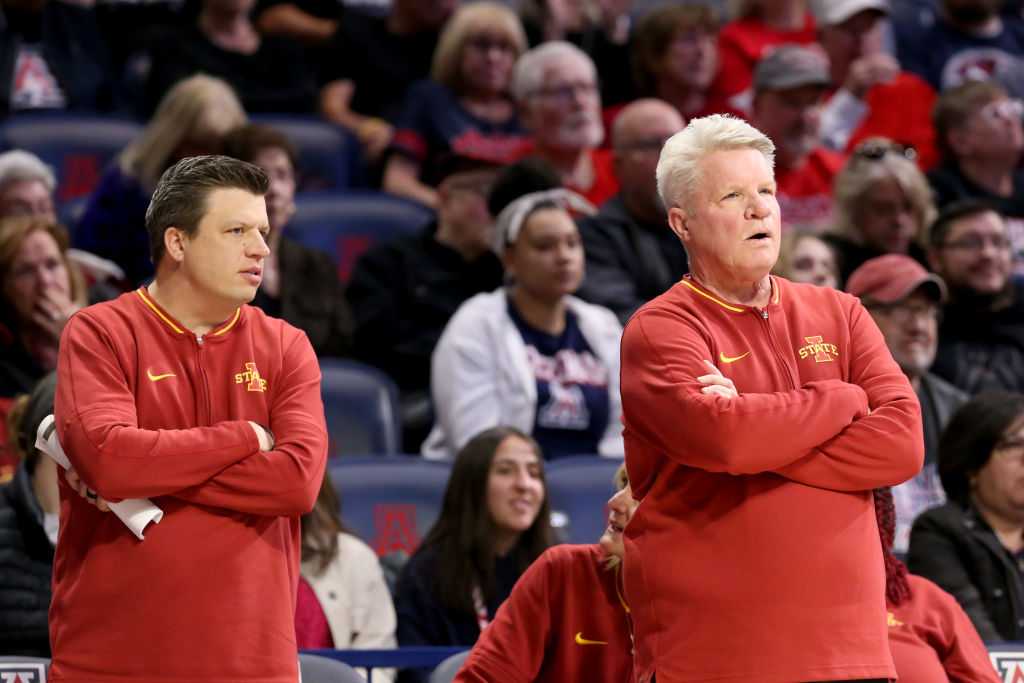
Billy Fennelly, son of Iowa State women’s basketball head coach Bill Fennelly, defied a severe congenital heart defect diagnosis to build a life centered around sports and family.

Congenital heart defects are the most common birth defect, and for Billy Fennelly, Iowa State women’s basketball assistant coach, his journey with heart disease began when doctors told his parents he likely wouldn’t live to see his fifth birthday. “That he probably wouldn’t live to be 5 years old. That’s what they told us. The most awful thing, obviously, to hear as a young mom and dad,” Deb Fennelly said. At 7 months old, Billy developed a high fever, prompting his parents to call the doctor.An X-ray revealed that Billy’s heart was enlarged for a baby his age. Further tests showed his heart was upside down and backward, had three chambers instead of four, and was missing a heart valve.”It was overwhelming, for sure — 100%,” Deb Fennelly said. Billy underwent two open-heart surgeries by the time he was 3 years old. “The only memory I have is how terrible the gas mask smell,” Billy said. The surgeries were successful, allowing Billy to live a mostly normal childhood. Billy’s pacemaker is in his abdomen, so as a precaution, his family and doctors decided he shouldn’t play contact sports.”And in sixth grade, I had to give up baseball. Never was a football player,” Billy said. “So I played golf in high school, and just always wanted to be around sports and basketball,” Billy said.Today, Billy has been part of the Iowa State women’s basketball staff for 15 years, working alongside his father. “The people that you surround yourself with are going to give you the best opportunity in life, whatever that is, whether you were born with a heart condition or whether you, you know, are going through a tough season,” Billy said. Deb reflected on her role as a coach’s wife. “It’s a roller coaster,” she said, laughing. The Fennelly family remains close-knit, supporting each other through life’s challenges. Bill and Deb have four grandchildren, while Billy has two children who share the family’s love for sports. “We are a competitive family. And whether we’re playing Monopoly or cards or a basketball game,” Deb said. The Fennellys hope their story inspires others facing struggles. “Even if I just touch the people right now who have young kids who maybe have an issue to know, to see how our son is grown. And he’s almost 41 years old, it doesn’t have to be doom and gloom. It can be a happy ending,” Deb said.
Congenital heart defects are the most common birth defect, and for Billy Fennelly, Iowa State women’s basketball assistant coach, his journey with heart disease began when doctors told his parents he likely wouldn’t live to see his fifth birthday.
“That he probably wouldn’t live to be 5 years old. That’s what they told us. The most awful thing, obviously, to hear as a young mom and dad,” Deb Fennelly said.
Advertisement
At 7 months old, Billy developed a high fever, prompting his parents to call the doctor.
An X-ray revealed that Billy’s heart was enlarged for a baby his age. Further tests showed his heart was upside down and backward, had three chambers instead of four, and was missing a heart valve.
“It was overwhelming, for sure — 100%,” Deb Fennelly said.
Billy underwent two open-heart surgeries by the time he was 3 years old.
“The only memory I have is how terrible the gas mask smell,” Billy said.
The surgeries were successful, allowing Billy to live a mostly normal childhood. Billy’s pacemaker is in his abdomen, so as a precaution, his family and doctors decided he shouldn’t play contact sports.
“And in sixth grade, I had to give up baseball. Never was a football player,” Billy said. “So I played golf in high school, and just always wanted to be around sports and basketball,” Billy said.
Today, Billy has been part of the Iowa State women’s basketball staff for 15 years, working alongside his father.
“The people that you surround yourself with are going to give you the best opportunity in life, whatever that is, whether you were born with a heart condition or whether you, you know, are going through a tough season,” Billy said.
Deb reflected on her role as a coach’s wife.
“It’s a roller coaster,” she said, laughing.
The Fennelly family remains close-knit, supporting each other through life’s challenges. Bill and Deb have four grandchildren, while Billy has two children who share the family’s love for sports.
“We are a competitive family. And whether we’re playing Monopoly or cards or a basketball game,” Deb said.
The Fennellys hope their story inspires others facing struggles.
“Even if I just touch the people right now who have young kids who maybe have an issue to know, to see how our son is grown. And he’s almost 41 years old, it doesn’t have to be doom and gloom. It can be a happy ending,” Deb said.