

Read the full article on KETV 7

A new Supreme Court ruling on Louisiana’s congressional map could have major implications for majority Black and Latino electoral districts across the country. Experts say the decision paves the way for Republican-controlled states to eliminate minority-led districts, which often favor Democrats, potentially swaying the balance of power in Congress.But it may be difficult to redraw those maps before this fall’s midterm elections, as primaries are already underway in many places. The 6-3 decision, released on Wednesday, strikes down one of two Black-majority districts in Louisiana. President Donald Trump called the ruling a “BIG WIN for Equal Protection under the Law” while Democrats, like Georgia Sen. Raphael Warnock, argued it would set back “the quest for racial justice.”Justice Samuel Alito, writing for the court’s majority, said the snake-shaped House district in the center of the state amounted to an “unconstitutional racial gerrymander.” “Allowing race to play any part in government decisionmaking represents a departure from the constitutional rule that applies in almost every other context,” Alito furthered. Stephen Griffin, a law professor at Tulane University, said the ruling fits into a broader trend for the conservative-leaning court. “The court has been suspicious for a while now of the use of race, not only to draw district lines, but in other circumstances. It is further pursuing this agenda and extending it to this key statute in the Voting Rights Act,” Griffin said. Griffin is referring to Section 2 of the Voting Rights Act, the landmark civil-rights-era law that aims to prevent discrimination in elections. Nicholas Stephanopoulos, an election law expert, has estimated that nearly 70 of 435 congressional districts across the country are protected by Section 2.Wednesday’s decision does not strike down Section 2 outright, but the court’s liberal justices contend that the majority opinion effectively guts it. “Under the Court’s new view of Section 2, a State can, without legal consequence, systematically dilute minority citizens’ voting power. Of course, the majority does not announce today’s holding that way,” Justice Elena Kagan wrote in her dissent. Griffin expects the ruling will have a “pretty drastic” impact over time, likely resulting in fewer minorities being elected to state legislatures and to Congress. He said the court’s legal interpretation will make it easier for state legislatures, especially in the South, to draw district lines “without having to worry about the cost and opportunity to African Americans and other minorities.””Any standard justification for drawing district lines, including partisanship, is enough to escape liability,” Griffin said, adding that lawmakers are unlikely to admit to discriminatory intent. Representative Byron Donalds of Florida, one of four Black Republicans in the House, argued that the decision ensures that voters are seen as individuals, not just demographic groups.”The Democrats do not care about black representation, they only care about Democrat representation,” Donalds wrote. “Let’s be clear, the Democrats use the VRA to protect Democrat power.”
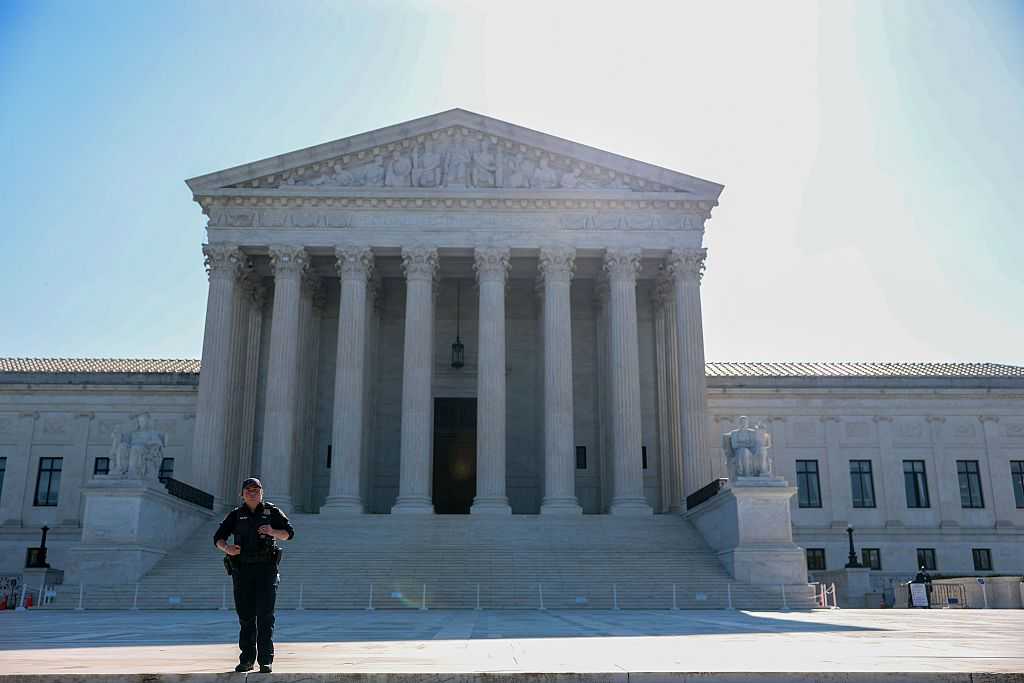
A new Supreme Court ruling on Louisiana’s congressional map could have major implications for majority Black and Latino electoral districts across the country.
Experts say the decision paves the way for Republican-controlled states to eliminate minority-led districts, which often favor Democrats, potentially swaying the balance of power in Congress.
Advertisement
But it may be difficult to redraw those maps before this fall’s midterm elections, as primaries are already underway in many places.
The 6-3 decision, released on Wednesday, strikes down one of two Black-majority districts in Louisiana.
President Donald Trump called the ruling a “BIG WIN for Equal Protection under the Law” while Democrats, like Georgia Sen. Raphael Warnock, argued it would set back “the quest for racial justice.”
Justice Samuel Alito, writing for the court’s majority, said the snake-shaped House district in the center of the state amounted to an “unconstitutional racial gerrymander.”
“Allowing race to play any part in government decisionmaking represents a departure from the constitutional rule that applies in almost every other context,” Alito furthered.
Stephen Griffin, a law professor at Tulane University, said the ruling fits into a broader trend for the conservative-leaning court.
“The court has been suspicious for a while now of the use of race, not only to draw district lines, but in other circumstances. It is further pursuing this agenda and extending it to this key statute in the Voting Rights Act,” Griffin said.
Griffin is referring to Section 2 of the Voting Rights Act, the landmark civil-rights-era law that aims to prevent discrimination in elections.
Nicholas Stephanopoulos, an election law expert, has estimated that nearly 70 of 435 congressional districts across the country are protected by Section 2.
Wednesday’s decision does not strike down Section 2 outright, but the court’s liberal justices contend that the majority opinion effectively guts it.
“Under the Court’s new view of Section 2, a State can, without legal consequence, systematically dilute minority citizens’ voting power. Of course, the majority does not announce today’s holding that way,” Justice Elena Kagan wrote in her dissent.
Griffin expects the ruling will have a “pretty drastic” impact over time, likely resulting in fewer minorities being elected to state legislatures and to Congress. He said the court’s legal interpretation will make it easier for state legislatures, especially in the South, to draw district lines “without having to worry about the cost and opportunity to African Americans and other minorities.”
“Any standard justification for drawing district lines, including partisanship, is enough to escape liability,” Griffin said, adding that lawmakers are unlikely to admit to discriminatory intent.
Representative Byron Donalds of Florida, one of four Black Republicans in the House, argued that the decision ensures that voters are seen as individuals, not just demographic groups.
“The Democrats do not care about black representation, they only care about Democrat representation,” Donalds wrote. “Let’s be clear, the Democrats use the VRA to protect Democrat power.”